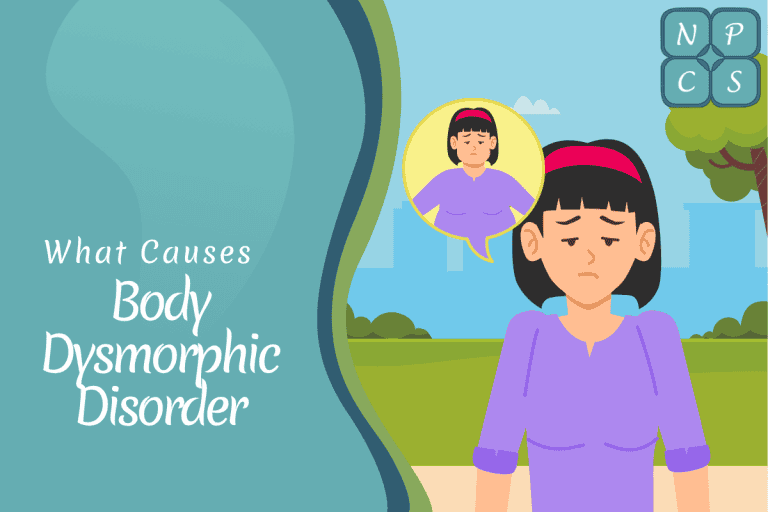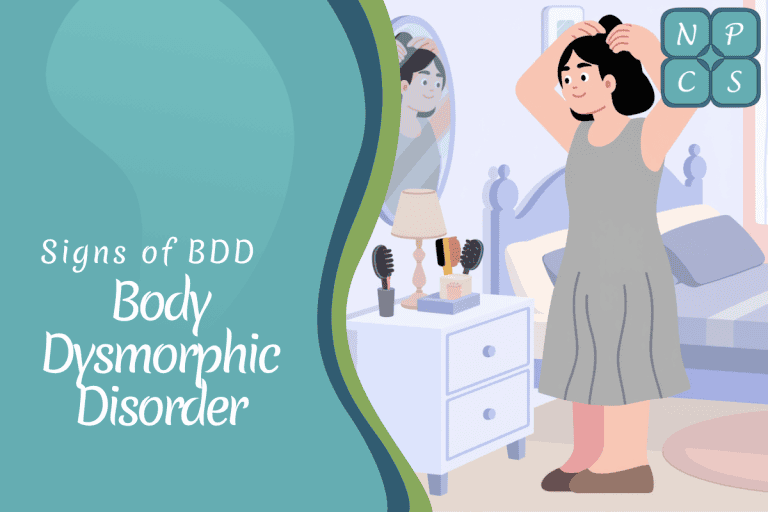

Have you ever felt stuck thinking about a part of your appearance that just doesn’t feel “right”? Maybe it’s something you notice often, worry others are judging, or feel like you can’t stop thinking about. Over time, this can affect your confidence and make it harder to feel comfortable being yourself.
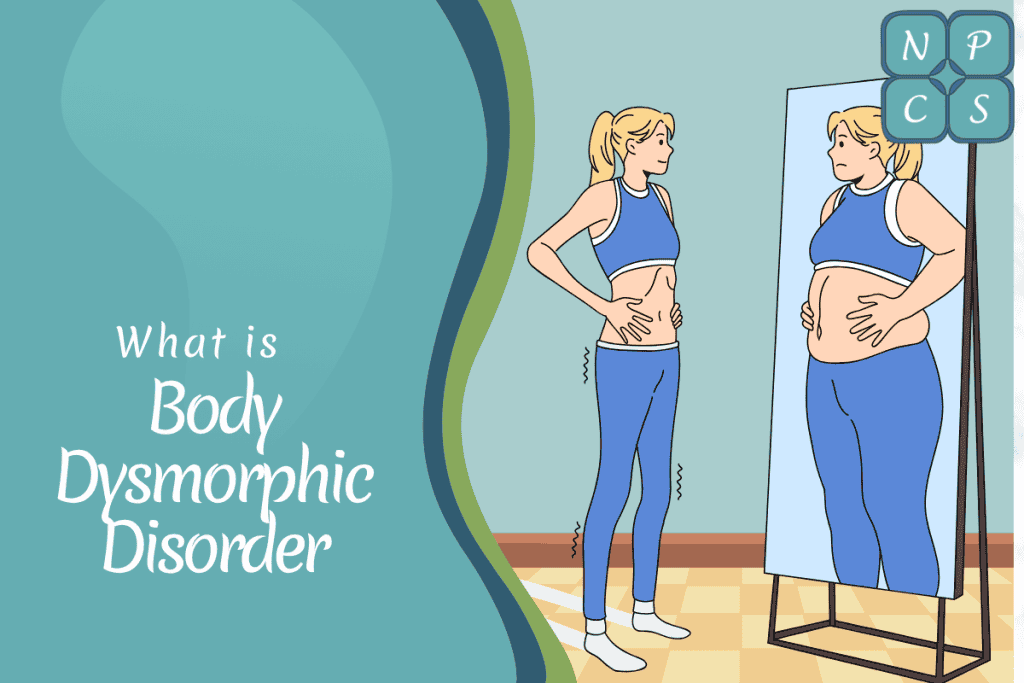
Body Dysmorphic Disorder (BDD) is a term used to describe a pattern where someone becomes deeply focused on a perceived flaw in their appearance, even if others may not notice it the same way. These thoughts can feel intense, repetitive, and emotionally exhausting. Often, it’s not really about how you look, it’s about how you feel about yourself.
This article is not meant to diagnose. Instead, it’s here to help you understand these experiences, recognize common patterns, and see what support can look like.
What Is BDD (Body Dysmorphic Disorder)?
Rather than thinking of this as a label, it can be more helpful to understand BDD as a pattern of thoughts and behaviors that affect how someone sees their physical appearance. For many people with BDD, these patterns involve a strong preoccupation with a specific body part or a perceived defect that may not be noticeable to others.
These patterns may include:
- Spending a lot of time thinking about a specific part of your appearance
- Feeling anxious or distressed about how you look, often linked to an anxiety disorder pattern
- Struggling to believe reassurance from others
- Feeling like your appearance defines your worth
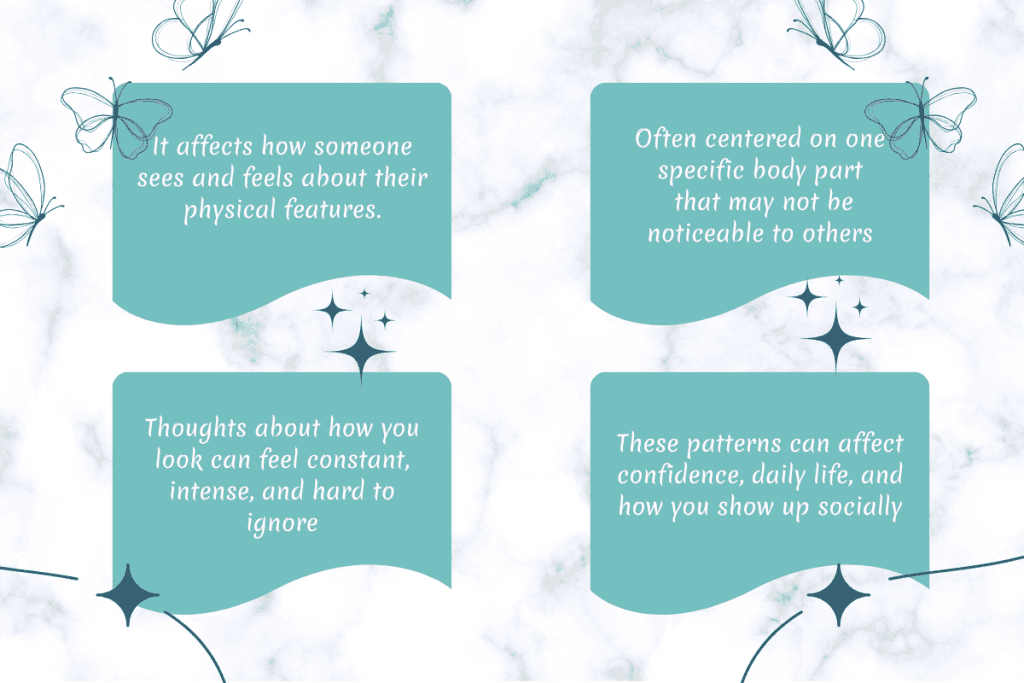
These are common BDD symptoms, and they often involve repetitive behaviors or compulsive thinking, similar to patterns seen in obsessive compulsive disorder (OCD). Over time, these patterns can cause significant distress and impact daily functioning, including confidence and social life.
When these patterns show up, it can feel hard to relax, be present, or feel at ease in your own skin. In many cases, BDD may benefit from support through therapy or guidance from a mental health professional, especially when the thoughts begin to interfere with daily life.
What It Can Feel Like
For many people, this experience isn’t just about appearance—it’s about feeling disconnected from yourself. For those with BDD, these patterns can feel constant and hard to quiet.
You might notice:
- A harsh inner voice that criticizes how you look
- Feeling uncomfortable being seen or noticed, often linked to social anxiety
- Worrying about how others perceive you
- Difficulty trusting what you see in the mirror
- A strong urge to fix, hide, or control certain features
These are common symptoms of BDD, often driven by a deep tendency to preoccupy over appearance. Some people may also develop habits like excessive grooming or even consider cosmetic surgery in an effort to feel better, though the relief is often temporary.
Over time, these patterns can lead to emotional strain and impairment in daily life, making it harder to feel confident or show up as your true self. If these experiences feel overwhelming, it may be time to seek help, as effective treatment for BDD is available and can support lasting change.
Common Signs of Body Dysmorphic Patterns
Everyone’s experience is different, but there are some patterns that tend to show up consistently. These patterns are often part of BDD and reflect how body dysmorphic disorder can affect daily thoughts and behaviors.
These may include:
- Repeated mirror checking or avoiding mirrors altogether
- Comparing your appearance to others
- Seeking reassurance but still feeling unsure
- Fixating on one specific “flaw”
- Avoiding photos, social situations, or being seen
These patterns are often what BDD include, and they can become more noticeable over time. While a formal diagnosis of BDD is made using criteria from the Diagnostic and Statistical Manual of Mental Disorders, many people recognize these signs in themselves before being officially diagnosed with BDD.
How It Can Affect Your Life
When these thoughts become constant, they begin to affect more than just how you feel—they affect how you live.
You may notice:
- Avoiding social situations or interactions
- Overthinking how you looked during conversations
- Difficulty focusing at work or school
- Feeling emotionally drained
- Pulling away from relationships or opportunities
Why These Patterns Can Develop
One of the most important things to understand is this:
These patterns are not a sign that something is wrong with you.
They often develop over time as ways of coping, protecting, or making sense of difficult experiences.
Some contributing factors may include:
- Past experiences like teasing, criticism, or feeling judged
- Anxiety or heightened awareness of how you’re perceived
- Perfectionism or high internal standards
- Social comparison and pressure
- The way attention becomes focused on certain details
Sometimes these patterns continue even after the original experiences are no longer present.
How Therapy Can Help You Feel More Like Yourself
Therapy is not about fixing your appearance.
It’s about changing your relationship with yourself.
Support can help you:
- Notice and reframe negative thought patterns
- Reduce anxiety and emotional overwhelm
- Feel more grounded and present in your body
- Understand and soften self-critical thoughts
- Build self-acceptance and confidence
Approaches that are often helpful include:
- Cognitive Behavioral Therapy (CBT) to shift unhelpful thinking patterns
- Somatic approaches to calm the nervous system
- Parts work to better understand and relate to the inner critical voice
When to Reach Out for Support
You don’t have to wait until things feel overwhelming.
It may help to seek support if:
- Thoughts about your appearance feel constant or hard to control
- Situations are being avoided because of how you look
- Self-criticism feels intense or ongoing
- It’s affecting confidence, relationships, or daily life
Support can help you understand these patterns and begin to shift them in a way that feels empowering and sustainable.
Final Thoughts
Struggling with how you see yourself can feel isolating, but it doesn’t mean you’re broken. It often means some patterns need understanding, not judgment.
It is possible to feel more at ease in your own skin, more present in your life, and more confident in who you are. Change doesn’t happen all at once, but it can begin with small, meaningful steps.
Support is available, and you don’t have to figure this out on your own.
Until next time,