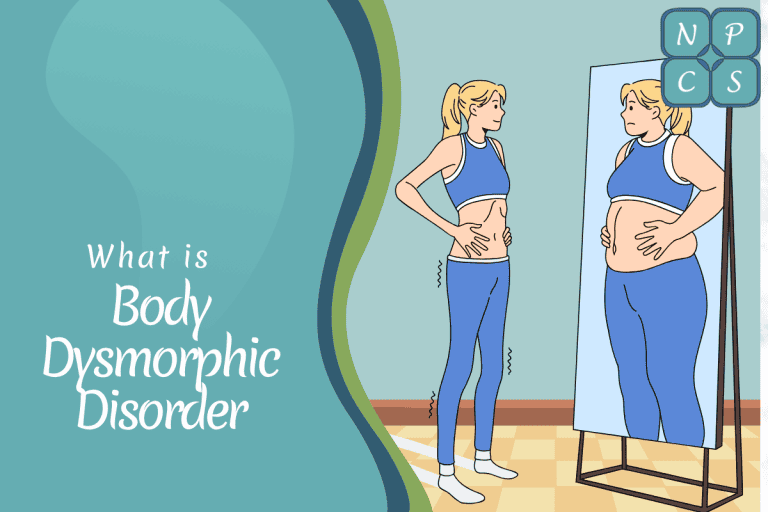

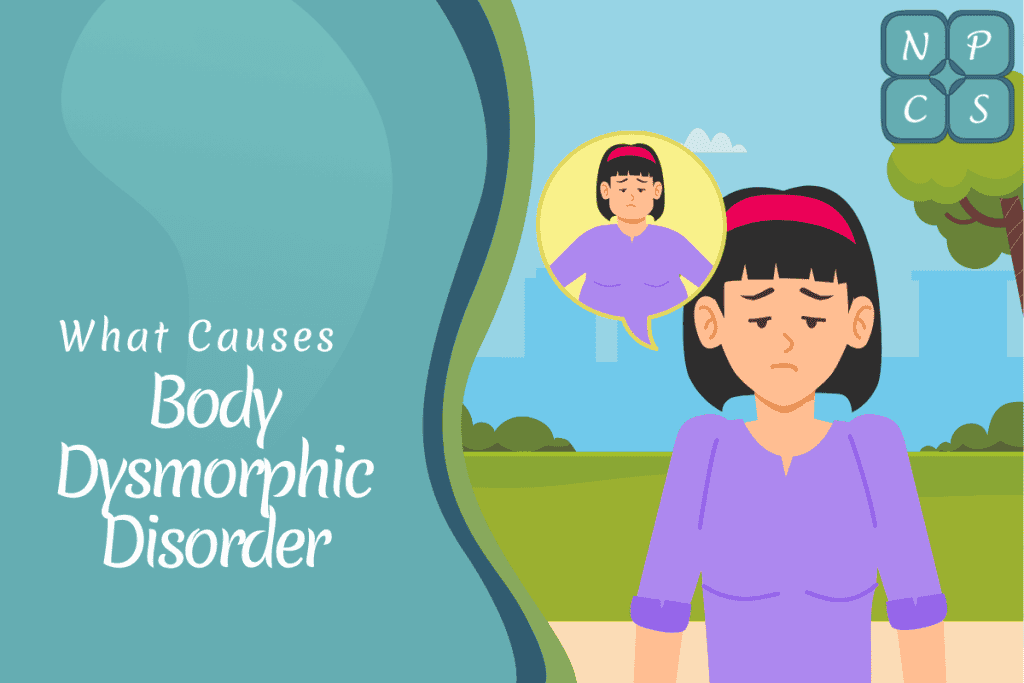
Have you ever wondered why certain thoughts about your appearance feel so intense or hard to let go of? Maybe it feels like your mind keeps going back to the same concern, even when you try to move on. This can feel confusing, frustrating, and exhausting.
The causes of BDD (Body Dysmorphic Disorder) are not a single reason. Instead, they usually come from a mix of patterns, experiences, and ways the mind and body respond to stress. These can include past experiences, anxiety, perfectionism, and the way attention becomes focused on certain details. These patterns can make appearance concerns feel stronger and harder to control.
When people search for what causes BDD (body dysmorphic disorder), they are often trying to understand why they feel this way. This article is not meant to diagnose but to help you understand the deeper patterns behind body dysmorphic disorder symptoms and why they can feel so powerful.
The Causes of BDD (Body Dysmorphic Disorder)
It can be helpful to think of BDD as a pattern that develops over time, not something that appears all at once. For many people with BDD, these patterns are connected to how the brain processes details and attaches meaning to appearance.
These patterns are often connected to:
- How the brain processes and focuses on details
- How the body responds to anxiety, especially in an anxiety disorder pattern
- Past experiences that shaped self-perception
- Learned beliefs about appearance, worth, and specific concerns about a body part
Many individuals experience a strong preoccupation with perceived flaws, similar to patterns seen in obsessive compulsive disorder (OCD). Brain chemistry, including how serotonin functions, may also play a role, which is why some treatments for BDD include approaches like therapy and selective serotonin reuptake medications.
These factors can combine in ways that make certain thoughts feel more intense, more frequent, and harder to let go of over time.
1. Past Experiences and Learned Beliefs
One of the most common causes of body dysmorphic disorder is past experiences that shaped how you see yourself. Many people with BDD may trace their struggles back to moments that impacted their body image and sense of worth.
This may include:
- Being teased or criticized about appearance
- Feeling judged or compared to others
- Growing up with pressure to look a certain way
Over time, these experiences can lead to beliefs like:
- “I’m not good enough”
- “People are judging how I look”
- “I need to fix this to be accepted”
Even if those experiences are no longer happening, the beliefs can stay and contribute to BDD, shaping long-term patterns seen in living with body dysmorphic disorder.
2. Anxiety and Heightened Self-Awareness
Another key factor in body dysmorphic disorder is that it causes is anxiety. This mental health condition often overlaps with patterns seen in obsessive-compulsive disorder, especially when thoughts become repetitive and hard to control.
When anxiety is present, the mind tends to:
- Focus more on perceived problems
- Overanalyze small details
- Assume negative outcomes
This can make BDD symptoms feel more intense. For many individuals, symptoms of body dysmorphic disorder may get worse over time without support, especially when anxiety fuels constant checking or seeking reassurance.
3. Perfectionism and High Standards
Perfectionism can also play a strong role in the development of BDD. Many individuals set extremely high standards for how they should look, which can increase pressure and distress.
You might notice:
- Wanting everything about your appearance to feel “just right”
- Feeling uncomfortable when something seems “off”
- Setting very high expectations for your appearance
When those standards are not met, it can lead to frustration and increased focus on perceived body defects, which is common in people with BDD. Over time, this can increase the severity of BDD symptoms.
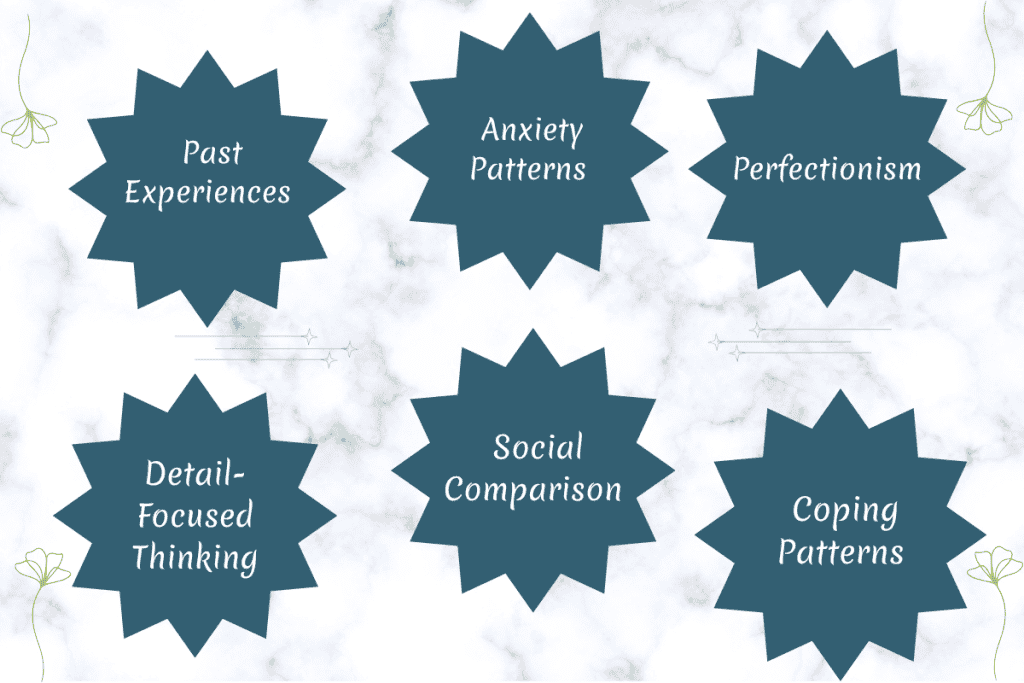
4. The Brain’s Focus on Details
The brain plays an important role in how these patterns develop. Research shows that abnormal visual processing in BDD can affect how individuals interpret what they see.
Some people naturally:
- Focus more on small details
- Notice things others may overlook
- Have difficulty “zooming out” to see the bigger picture
This type of processing in body dysmorphic disorder can make one feature feel much more important than it actually is. Brain-based factors, including the role of serotonin in BDD, may also influence how these patterns develop and persist.
5. Social Comparison and External Pressure
Social comparison is another major factor that may contribute to BDD. This is especially true in environments where appearance is constantly evaluated.
This might include:
- Comparing your appearance to others
- Feeling pressure from social media or cultural standards
- Seeing edited or filtered images as “normal”
Over time, this can distort body image and reinforce negative self-perception. For many, this comparison cycle is a mental health problem that can deepen dissatisfaction and make symptoms more persistent.
6. Coping and Protective Patterns
One of the most important things to understand is this:
These patterns often start as a way to cope or protect. In many cases, body dysmorphia develops as a response to deeper emotional needs.
Focusing on appearance can sometimes be a way to:
- Feel a sense of control
- Avoid deeper emotions
- Try to prevent judgment or rejection
Even though these patterns may not feel helpful now, they often started for a reason. Over time, however, these coping patterns can maintain or worsen symptoms, making BDD symptoms more intense if left unaddressed.
How These Causes Connect to Daily Life
When these factors come together, they can lead to patterns that affect everyday life.
This may include:
- Constant thinking about appearance
- Repetitive behaviors like checking or avoiding mirrors
- Avoiding social situations
- Feeling anxious or self-conscious
What These Causes Mean for You
Understanding the causes of body dysmorphic disorder can help shift how these experiences are viewed.
Instead of:
- “Something is wrong with me”
It becomes:
- “These are patterns that developed over time”
That shift can make it easier to approach these experiences with more understanding and less judgment.
When to Consider Support
If these patterns feel strong or persistent, support can help.
It may be helpful to reach out if:
- Thoughts about appearance feel constant
- Anxiety around being seen is increasing
- Avoidance is affecting daily life
- Self-criticism feels hard to manage
You don’t have to wait until things feel overwhelming to get support.
How Support Can Help
Support is not about changing how you look.
It’s about changing how these patterns show up.
Helpful approaches often focus on:
- Reframing negative thoughts
- Reducing anxiety and overthinking
- Understanding deeper emotional patterns
- Building self-acceptance
Final Thoughts
If these experiences feel familiar, it doesn’t mean something is wrong with you. It often means your mind has learned patterns that are trying to protect you.
With the right kind of support, these patterns can shift. It’s possible to feel more at ease in your own skin, more present in your life, and more comfortable being yourself.
You don’t have to figure this out alone.
Until next time,